Choosing gifts for children who seem to have everything can feel surprisingly difficult. Their shelves are full, favourite toys already have accessories, and another large box might create more storage problems than excitement. Yet there are still thoughtful ways to make a birthday, Christmas or special occasion feel personal.
At DTDF Gifts, we believe the best starting point is curiosity about the child. What are they enjoying now? What would they love to try? Which activities do they keep asking someone to share?
A meaningful present might be a new experience, fresh materials for a favourite hobby or something that makes an existing collection enjoyable again. This guide explores those possibilities, with practical considerations to help you choose confidently.
Start with Their Interests, Not Their Toy Collection
Having plenty of possessions does not mean a child has run out of interests. Before shopping, ask a parent what the child currently chooses to do and what they already own.
Try asking specific questions. Have their drawing materials run out? Is there a book series they want to continue? Have they mentioned an activity they would like to try?
Check family preferences too. Some households welcome craft materials but avoid noisy toys. Others have limited storage or little time for activities requiring extensive preparation.
This information helps you choose something useful and enjoyable without buying a novelty simply because it looks different.
Thoughtful Gift Ideas Beyond Another Toy
Gifts for Children Who Seem to Have Everything: Experiences to Share
An experience can offer something a crowded toy shelf cannot: a new place to explore or an activity to enjoy together. Consider a suitable creative workshop, a performance or a visit linked to the child’s interests.
Check the practical details before booking. Age restrictions, accessibility, travel, adult attendance and available dates all affect whether the gift will work for the family.
Avoid assuming that a busy attraction will suit every child. A quieter session or a familiar activity with a favourite adult may feel more comfortable.
Present the idea with a simple invitation, and agree the arrangements with a parent before making a non-refundable purchase.
Gifts for Children Who Seem to Have Everything: Creative Projects
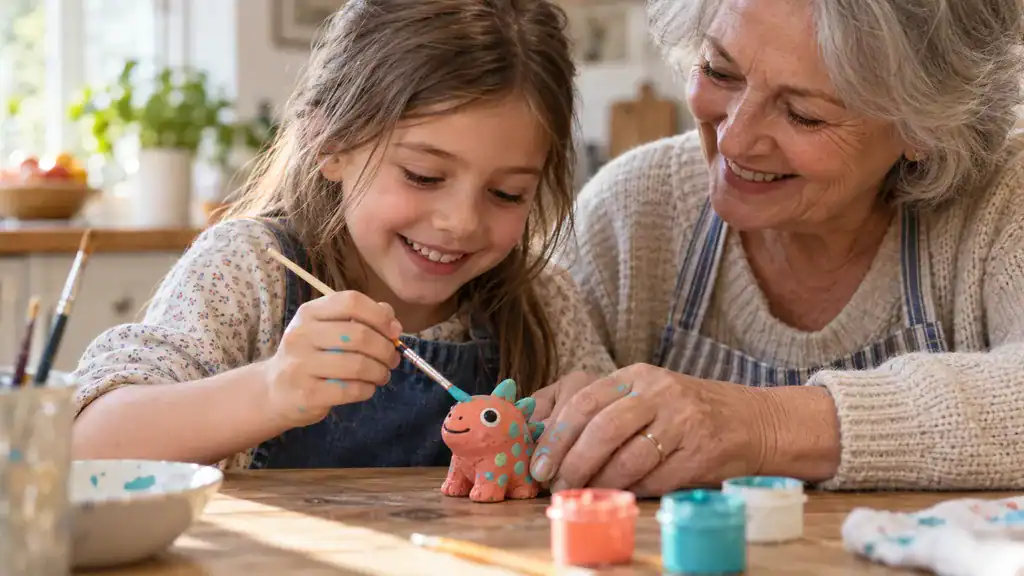
Creative supplies offer fresh possibilities without requiring a completely new hobby. A child who already enjoys drawing might appreciate a good sketchbook, replacement pencils or materials for a different technique.
Think about whether they prefer open-ended making or clear instructions. Loose materials allow experimentation, while a complete project kit provides a defined starting point.
Check what is included and whether tools, protective coverings or additional supplies are needed. A gift should not unexpectedly leave the family with a shopping list.
You could include a note inviting the child to make something together. Explore our Best Creative and Craft Gifts for Children for more inspiration.
Gifts for Children Who Seem to Have Everything: Curious Discoveries
For children who love asking questions, choose a new avenue of exploration rather than another box of familiar activities. A suitable science project, mechanical model or observation activity can connect with an existing fascination.
Read the instructions and contents carefully. Some activities need adult involvement, extra ingredients or a particular workspace. Choose something the family can realistically enjoy.
Look for understandable explanations alongside the activity. An exciting result becomes more interesting when the child can explore what happened and try a different approach.
For more ideas matched to questioning minds, explore our Best STEM Gifts for Curious Children guide.
Gifts for Children Who Seem to Have Everything: Outdoor Adventures
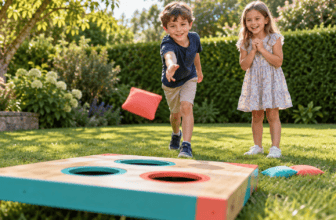
Outdoor presents can create opportunities beyond the playroom. A compact garden game, suitable ball or simple nature notebook may inspire a new activity without taking over the house.
Start with the spaces the family actually uses. A portable gift may suit regular park visits better than equipment requiring a large private garden.
Check what the child already owns and whether an addition would be helpful. Replacing worn equipment may be more welcome than introducing something unrelated.
Pairing a modest present with a planned outing gives it a personal purpose. Explore our Best Outdoor Toys for Ages 6 to 8 for further inspiration.
Gifts for Children Who Seem to Have Everything: Books and Personal Keepsakes
A book can feel individual when it reflects a child’s favourite subject, sense of humour or current interests. Check existing collections first, particularly when buying a sequel or a popular series.
For a personal touch, include a handwritten message or homemade bookmark. These small details explain why you chose the present without requiring expensive customisation.
An album with space for the child’s drawings or family photographs offers another possibility. Choose something they can contribute to rather than a decorative item they must simply store.
When ordering personalised products, check spelling, delivery times and return conditions carefully before paying.
Gifts for Children Who Seem to Have Everything: Favourite Hobbies, Refreshed
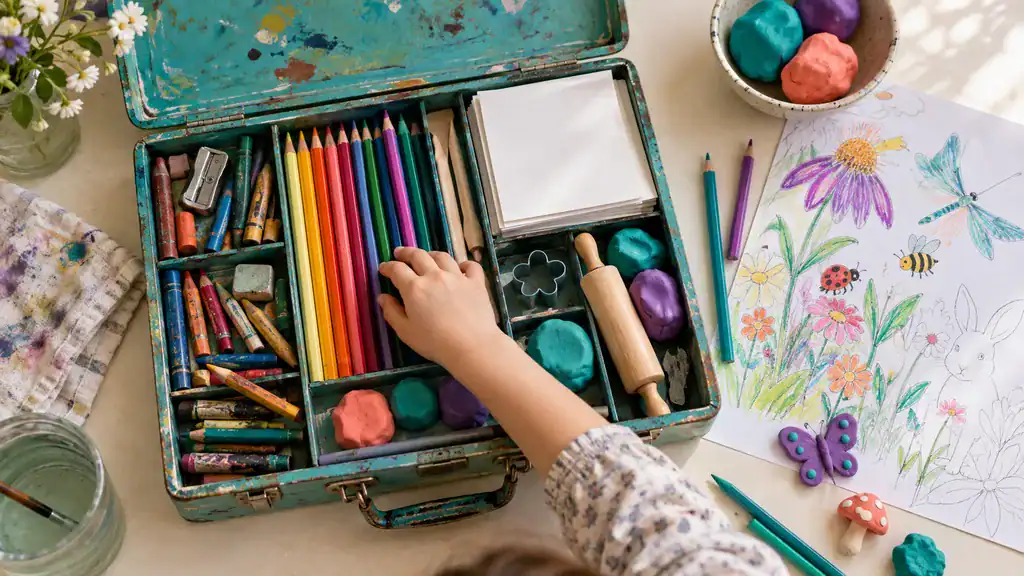
Sometimes the most useful gift helps a child enjoy something they already love. Replacement craft materials, the next book in a series or a compatible addition to a construction collection can feel genuinely welcome.
Ask for exact details before buying. Similar-looking pieces, refills and accessories are not always interchangeable.
Avoid upgrading equipment without checking whether the child wants the change. A more complicated version may remove the simplicity they enjoyed.
For activities that combine play with discovery, explore our Best Educational Toys for Ages 6 to 8. Choose the activity first, then consider which materials or accessories would make it more enjoyable.
Gift Comparison Chart
Use this chart to compare the experience a present offers and the practical commitments it brings.
| Gift approach | What it offers | Storage needs | Check before choosing |
|---|---|---|---|
| Workshop or outing | A new shared experience | Usually minimal | Dates, travel and accessibility |
| Creative supplies | Fresh making possibilities | Small to moderate | Materials already owned |
| Science activity | A question to explore | Varies by kit | Supervision and extra ingredients |
| Outdoor game | A different play setting | Varies by equipment | Space and portability |
| Book | A story or subject to discover | Shelf space | Reading preferences and duplicates |
| Personal album | A keepsake they can shape | Small | Whether they enjoy this activity |
| Hobby refill | More use from a favourite activity | Usually limited | Exact compatibility |
| Planned time together | Attention and shared enjoyment | None | A realistic date and commitment |
Match the Gift to Their Stage of Play
Age is a useful starting point, but experience and personal preferences matter too. A child who enjoys following instructions may want a guided project, while another would rather invent freely.
For younger primary-school children, choose a manageable first activity and check how much adult help is needed. Our Best Gifts for 6-Year-Olds guide offers more age-focused ideas.
Children developing an established hobby may appreciate something that builds on it. Explore our Best Gifts for 7-Year-Olds for further inspiration.
For children ready for different challenges, browse our Best Gifts for 8-Year-Olds, while continuing to follow individual product age and safety guidance.
Give Time Alongside the Present
A promise of time together can make an ordinary gift feel special. A book becomes a shared reading afternoon; art materials become a chance to create side by side.
Make the promise specific enough to happen. Instead of saying “We should do this sometime,” agree a suitable afternoon with the family.
Let the child help shape the activity where possible. They might prefer drawing together at home to attending a workshop, or a picnic and simple game to a busy outing.
Choose something you can comfortably deliver. Reliable follow-through matters more than an ambitious promise.
Thoughtful Options for Smaller Budgets
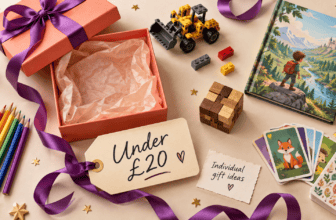
Buying gifts for children who seem to have everything does not require spending more to compete with previous presents. A smaller gift can be meaningful when the choice is personal.
Set a comfortable limit before browsing. Then consider the complete cost, including delivery, batteries, essential materials or travel.
A modest themed pairing can work well: a notebook and pencils, for example, with an invitation to sketch outdoors together. Avoid adding unrelated fillers simply to make the package larger.
For affordable starting points, explore our Best Gifts for Children Under £20. Check current prices and choose according to the child’s interests.
Plan Birthdays and Christmas Without Extra Clutter
When several relatives are buying presents, a parent-coordinated wish list can reduce duplication. Families may also welcome contributions towards one agreed gift or experience.
Ask before arranging a group purchase. It should reflect something the child wants, and nobody should feel pressured to contribute beyond their budget.
For Christmas, consider whether the gift can be enjoyed immediately or needs a later booking, suitable weather or adult preparation. Include a clear explanation of any plans.
Explore our Best Christmas Gifts for Ages 6 to 8 for seasonal inspiration, and choose a few meaningful possibilities rather than filling every available space.
Check the Details Before You Buy
Even a thoughtful idea needs practical checks. Read age guidance, safety warnings and instructions, and consider younger siblings who may encounter small parts.
Look for clear seller and manufacturer information. The government’s consumer product safety advice explains checks to make before buying and the importance of following instructions.
For experiences, confirm booking conditions and additional costs. For subscriptions, check the total commitment, renewal arrangements and cancellation process, and obtain the parent’s agreement.
A gift should not unexpectedly create a recurring bill, storage problem or obligation for the family.
Frequently Asked Questions
What are good gifts for children who seem to have everything?
Experiences, creative materials, books and useful additions to favourite hobbies are good starting points. Ask what the child currently enjoys and what they already own. The aim is a thoughtful match, rather than finding the most unusual item available.
Should I avoid buying toys altogether?
No. A well-chosen toy can still be welcome, especially if it supports an existing interest. Check for duplicates and consider how the child will use it. Having many toys does not automatically mean they would prefer an experience.
Are gift vouchers too impersonal?
They do not have to be. A voucher for somewhere the child enjoys can give them a welcome choice. Add a personal note, check expiry dates and confirm that using it will not require substantial additional spending.
What can grandparents give instead of another toy?
A shared outing, regular reading time or a planned making session can be meaningful. Choose an activity that suits both the child and grandparent, and agree practical arrangements with the parents. A small related item can give the child something to unwrap.
Is a subscription a suitable present?
Sometimes, but only with the parent’s agreement. Check age suitability, what arrives, delivery frequency and the full cost. Prefer a clear, manageable commitment and confirm whether payments renew automatically before purchasing.
How do I make an inexpensive gift feel special?
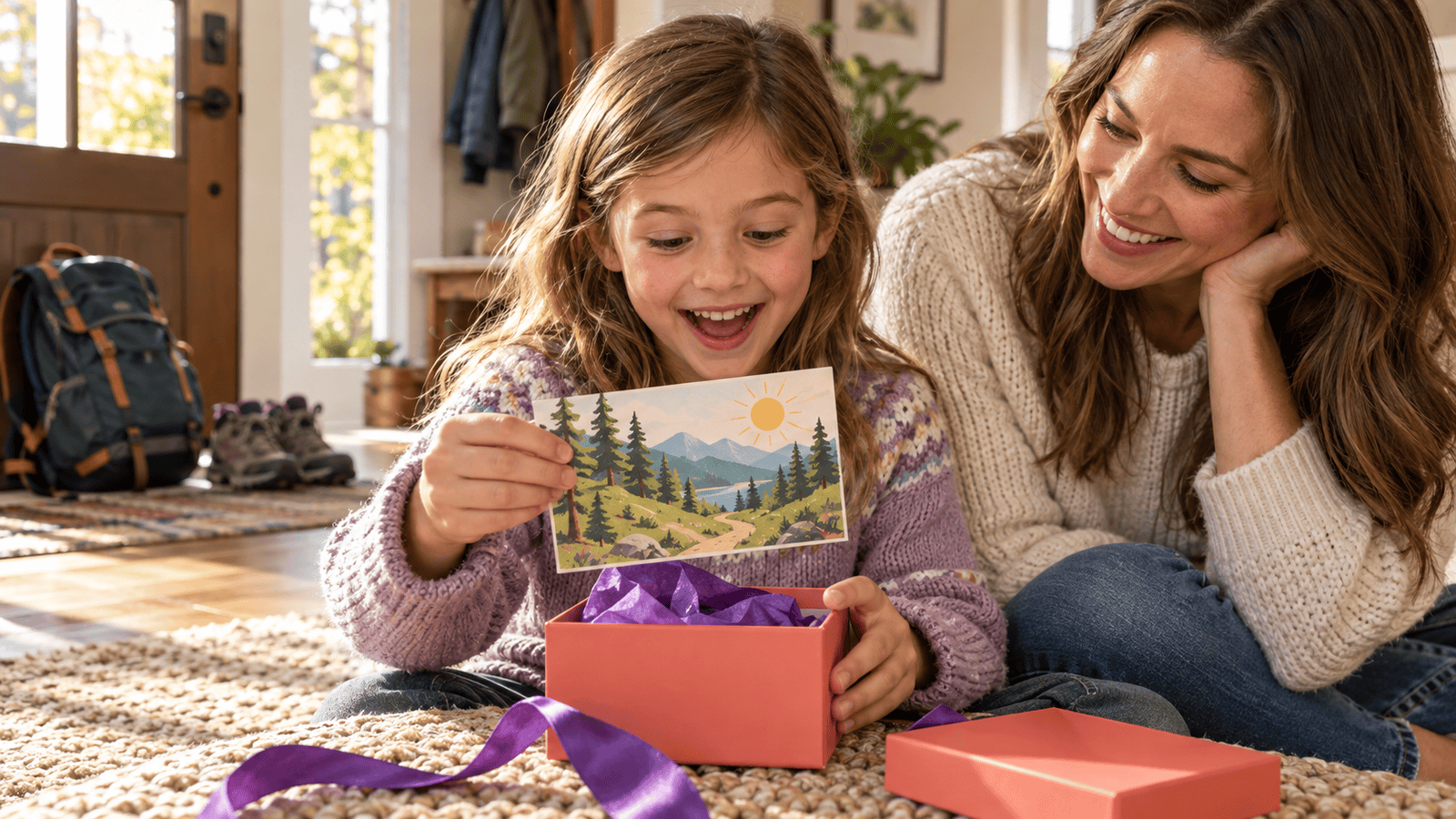
Explain why you chose it. A handwritten message, thoughtful wrapping or a plan to enjoy the activity together adds meaning. You do not need elaborate packaging or several extra items to make a present feel considered.
Choose Something That Adds Enjoyment
The most thoughtful gifts for children who seem to have everything often begin with a conversation. Notice what they enjoy, ask what would be useful and choose something that fits their family’s routine.
For a wider selection of ideas, explore our Best Gifts, Games and Toys for Children Aged 6–8 guide.
Whether you give an experience, fresh supplies or a story to share, the personal connection is what makes the choice feel special.
DTDF Gifts helps shoppers find thoughtful gift ideas for children, families and special occasions. Our guides compare suitable options by age, interests, occasion and budget to help make gift buying simpler and more informed.