The best board games for ages 6 and 8 combine simple-to-understand rules with enough choice and challenge to keep children interested. At this stage, many children can plan ahead, follow multi-step instructions and participate in friendly competition. They may also be ready for games involving deduction, matching, reading, number skills or basic strategy.
Board games can bring children, parents and siblings together without relying on screens. They can also support communication, turn-taking, patience and problem-solving. The right game will depend on the child’s age, interests, attention span and previous experience.
This guide compares popular family, educational, cooperative and strategy games for children aged six to eight. It also explains what to check before buying and how to make family game sessions more enjoyable.
This article may contain affiliate links. If you purchase through one of these links, we may receive a small commission at no additional cost to you.
How to Choose the Best Board Games for Ages 6 and 8
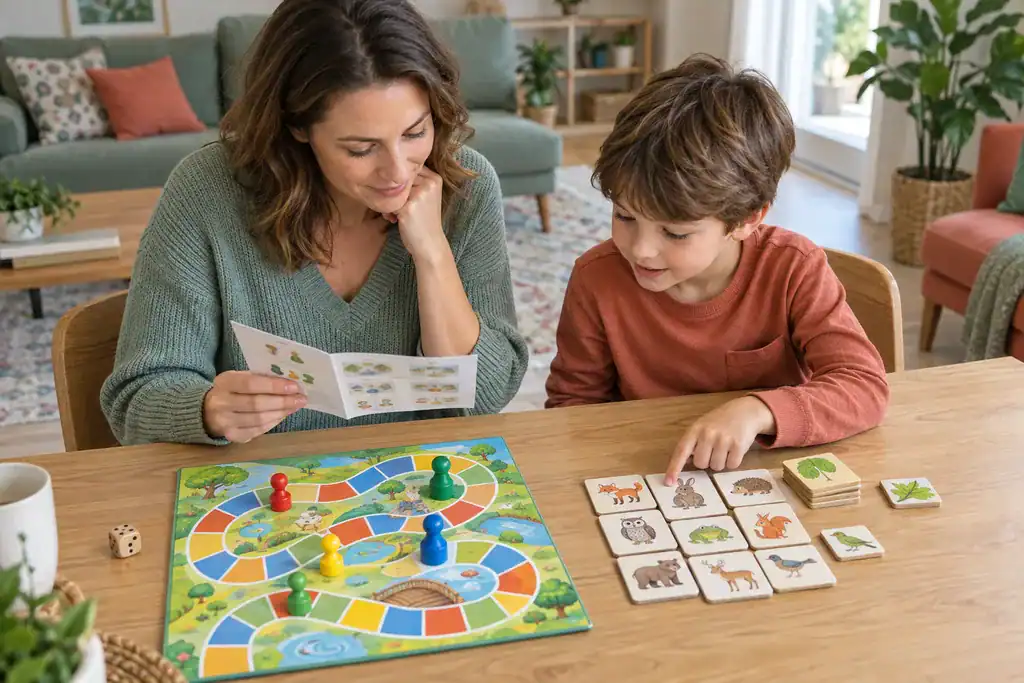
The recommended age printed on a box is a useful starting point, but children develop at different rates. A six-year-old who regularly plays games with older siblings may understand more complex rules than an eight-year-old who is new to board games.
Consider how much reading and counting the game requires. Some children in this age group can read instructions and cards independently, while others may need adult support. Games based on pictures, colours and symbols can make it easier for children with different reading abilities to participate together.
The best games for 6 to 8 year olds should provide meaningful decisions without overwhelming players with complicated rules. Children should be able to understand what they are trying to achieve and recognise how their choices affect the game.
Before buying, consider these practical questions:
- What is the manufacturer’s recommended age?
- How many people are required to play?
- Does the game work well with two players?
- How long does an average round take?
- Is reading or calculation required?
- Does the game depend mainly on luck or strategy?
- Can younger and older siblings play together?
- Are there small pieces that could affect younger children?
- Is the game easy to set up and store?
- Will it remain interesting after several rounds?
Check the number of players
A game can be highly rated and still be unsuitable for a particular household. If one child will usually play with a parent, choose a game that works properly with two players. Games requiring four or more participants may spend most of their time unused.
Flexible two-to-four-player games are often practical for families. Some party games accommodate larger groups and can be useful for birthdays or family gatherings, but they may not work as well for everyday play.
Consider the playing time
Many children aged six to eight respond well to games lasting between 15 and 30 minutes. Shorter games allow children to learn through repetition and provide time for a second round.
Longer strategy games can appeal to experienced eight-year-olds, but the playing time should suit the child’s concentration. A game that regularly takes an hour to complete may be difficult to introduce on a school night.
Quick card games for children are useful when families have limited time. They are also easy to take on holidays, journeys and visits.
Balance luck and strategy
Games based mainly on luck can be accessible because every player has a reasonable chance of winning. However, children may eventually lose interest if their decisions make little difference.
Strategy games give children greater control but can create an advantage for experienced adults or older siblings. The most suitable family board games for children often combine luck with simple decisions. This allows younger players to compete while gradually improving their skills.
Competitive or cooperative?
Traditional games usually produce one winner. Competition can help children practise patience and learn how to respond to both success and disappointment.
However, not every child enjoys direct competition. Cooperative board games for kids allow everyone to work towards a shared objective. Players discuss options, gather clues or solve a problem together, then win or lose as a team.
Cooperative games can be especially useful for siblings who frequently argue over winning. They also encourage adults to guide children without competing directly against them.
For more present ideas beyond games, visit our guide to the best gifts, games and toys for children aged 6–8.
Board Game Categories and Popular Options Compared
The following table compares several recognisable games and the type of play each one offers. Age ranges and playing times should always be confirmed on the version you are purchasing because themed and revised editions may differ.
| Game or category | Type of play | Suggested age | Players | Approximate time |
| Dobble | Visual matching and reactions | 6+ | 2–8 | 15 minutes |
| Ticket to Ride: First Journey | Route building and introductory strategy | 6+ | 2–4 | 15–30 minutes |
| CATAN Junior | Trading and introductory strategy | 6+ | 2–4 | 30–40 minutes |
| UNO | Colour and number matching | 7+ | 2–10 | Around 15–30 minutes |
| Outfoxed! | Cooperative deduction | 5+ | 2–4 | 20–30 minutes |
| Junior Labyrinth | Route planning and visual problem-solving | 4+ | 2–4 | 15–20 minutes |
| Qwirkle or Qwirkle Cubes | Pattern matching and strategy | 6+ | Usually 2–4 | Around 30–45 minutes |
| Junior logic puzzles | Independent problem-solving | Varies | Usually 1 | 10 minutes or more |
Quick observation and matching games
Observation games require players to identify matching pictures, colours or shapes. They usually have short rules and quick rounds, making them suitable introductions to tabletop games.
Dobble is one recognisable example. According to Asmodee UK’s Dobble information, it is designed for ages six and over, supports two to eight players and takes approximately 15 minutes. Players race to identify a symbol shared by two cards.
This type of visual matching game can support concentration, visual processing and reaction speed. Because success does not depend heavily on reading, children and adults can often compete on relatively equal terms.
Fast games can become noisy and energetic, which some children love. A child who dislikes time pressure may prefer a slower puzzle or cooperative game.
Introductory strategy games
Strategy board games for children ask players to make choices and think ahead. Junior editions of established family games often simplify the rules and shorten the playing time.
Ticket to Ride: First Journey introduces route-building and card collection in a format intended for younger players. Official information describes it as a game for ages six and over, generally supporting two to four players.
CATAN Junior introduces simplified collecting, trading and building. The official CATAN Junior guide recommends it for ages six to nine, with two to four players and an approximate playing time of 30 to 40 minutes.
These games may require more explanation than a basic matching game, but they can provide stronger long-term value. Children can develop strategies over repeated sessions and become more independent as they learn the rules.
Adults should avoid controlling every decision. Offering two clear options can help a child think without effectively playing the game for them.
Cooperative mystery and deduction games
Cooperative games ask players to share information and make decisions as a team. Mystery games can be particularly engaging because each clue provides visible progress towards a solution.
Outfoxed! is a cooperative deduction game in which players gather clues and eliminate suspects. Its official product information recommends it for young players and describes a playing time of approximately 20 to 30 minutes.
Deduction games can encourage careful observation, communication and logical reasoning. They may also be suitable for children who become upset when competing directly against parents or siblings.
Adults should ensure that every child participates. Cooperative games can become less enjoyable if one experienced player makes all the decisions.
Pattern and tile games
Pattern games involve arranging colours, numbers, letters or shapes according to particular rules. They can support visual reasoning and planning without requiring long passages of text.
Qwirkle-style games ask players to create rows using matching colours or shapes. These games offer a combination of strategy and chance because players must decide where each tile will score effectively.
Pattern games can be educational without feeling academic. Children practise sorting, identifying relationships and considering several possible moves.
Check how scores are recorded. Younger children may need help with addition, while older children can manage the scoring as part of the game.
Card games for children
Card games are affordable, portable and usually quick to learn. Matching games, memory games and shedding games can work well for family evenings and travel.
UNO is recommended for children aged seven and over in its standard and many themed editions. Players match cards by colour or number and use action cards to affect the round.
Card games can support number recognition, attention and planning. However, rule variations can cause disagreements. Agree on the rules before starting, especially if family members have learned different versions.
Choose cards that are durable and easy for smaller hands to hold. A card holder may help children who struggle to manage a full hand.
Educational board games
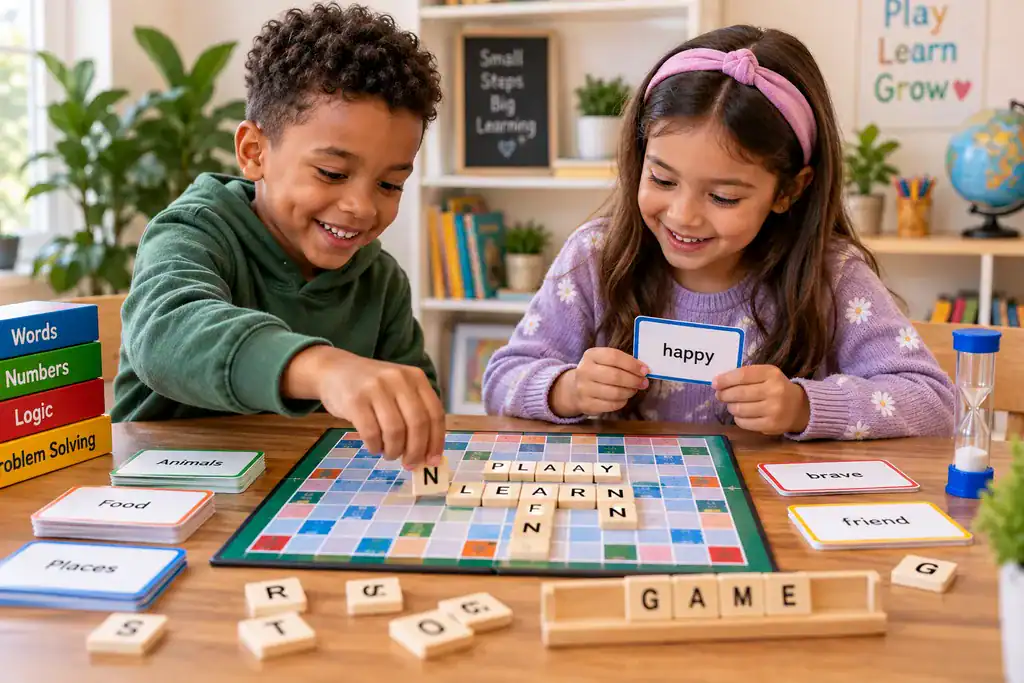
Educational games for children may focus on maths, spelling, vocabulary, geography or general knowledge. These products can reinforce school skills, but enjoyment should remain the priority.
A game that feels like a test may discourage a child who lacks confidence in that subject. Look for products that combine learning with imagination, movement, storytelling or friendly competition.
Maths board games for 6 to 8 year olds might involve counting spaces, managing pretend money or combining numbers. Word games may use picture clues, letter tiles or simple definitions.
Select an activity that suits the child’s current level. Educational games are more useful when children can succeed while learning something new.
For more learning-focused recommendations, see our guide to the best educational toys for ages 6–8.
Puzzle and single-player games
Not every tabletop game requires several players. Logic puzzles and single-player challenges can provide quiet entertainment while developing concentration and persistence.
These products often contain a collection of challenges arranged from beginner to advanced. The child completes one puzzle before progressing to a more difficult level.
Single-player games are useful when parents or siblings are unavailable. They can also suit children who prefer working independently rather than competing in a group.
Check whether the pieces are easy to store and whether solutions are included. A travel case can make the game more practical for journeys.
Matching Board Games to Age, Personality and Family Life
Choosing among the best board games for ages 6 and 8 becomes easier when you consider the child’s exact age and playing experience.
Board games for 6-year-olds should generally have clear goals, visual instructions and manageable playing times. Matching games, cooperative mysteries and beginner route-building games can work well. Adult help may be required during the first few sessions.
Board games for 7-year-olds can introduce more strategy, reading and scoring. Many seven-year-olds are ready for card games, pattern games and junior editions of traditional family games.
Board games for 8-year-olds may involve longer-term planning, deduction and more detailed rules. Experienced players might also be ready to try selected family games recommended for ages eight and over.
These are general guidelines rather than fixed rules. Previous experience matters as much as age.
Games for different personalities
The child’s personality can point towards the most suitable category:
- Fast and energetic players: Reaction and matching games
- Careful thinkers: Strategy games and logic puzzles
- Young detectives: Cooperative mysteries and deduction games
- Creative storytellers: Drawing and storytelling games
- Competitive children: Racing and score-based games
- Team players: Cooperative board games
- Independent children: Single-player puzzle challenges
- Young learners: Maths, spelling and educational games
Children who find losing difficult may benefit from short games because another round can begin quickly. Cooperative games are another useful option, but children should eventually have opportunities to practise healthy competition.
Board games for boys and girls
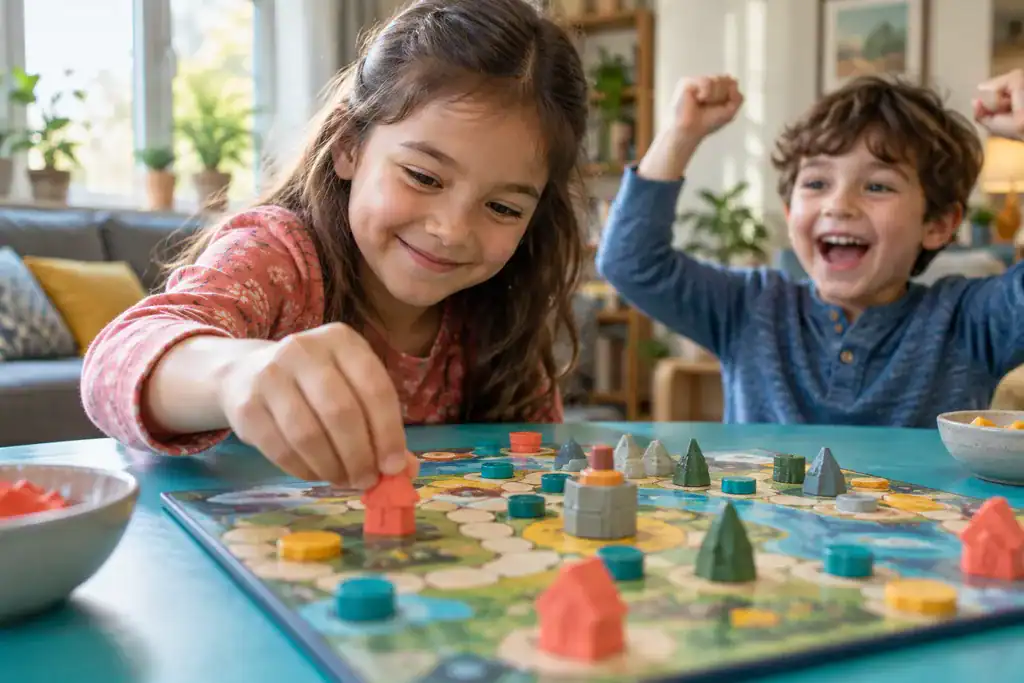
Board games for boys aged 6 to 8 and board games for girls aged 6 to 8 do not need to be separated. Strategy, matching, deduction and word games can appeal to children of any gender.
Rather than selecting a game based on packaging colours or stereotypes, choose a theme the child genuinely enjoys. Dinosaurs, animals, trains, fantasy, sport and space can appear across many types of gameplay.
Gender-neutral board games are also practical for families with brothers, sisters and visiting friends. They make it easier for different children to feel included.
Birthday, Christmas and travel games
Board games make useful birthday gifts because they can be matched to the recipient’s interests. A quick game may be played during the birthday celebration, while a strategy game can become a longer-term family activity.
Christmas board games for children should ideally accommodate several age groups. Look for clear rules, flexible player numbers and a playing time that suits family gatherings.
Travel games should be compact and have pieces that are difficult to lose. Card games, magnetic games and small logic puzzles are often more practical than large boards.
Safety, Value and Better Family Game Sessions

Before purchasing, check the age recommendation and product warnings. Games can contain small counters, dice and cards that may be unsafe for younger siblings.
The UK Government’s consumer product safety guidance recommends checking recognised safety markings, manufacturer information, instructions and seller details when buying online.
Examine what is included before ordering. Product photographs may show accessories or storage solutions that are not supplied. Read recent reviews for information about component quality, unclear instructions or missing pieces.
A good-value game should offer repeatability. Changing outcomes, multiple strategies or different difficulty levels can help a game remain interesting. Expansion packs may extend its life, but they should not be required to make the basic game enjoyable.
When teaching a new game:
- Set up the components before inviting younger children to play.
- Explain the objective before describing every rule.
- Demonstrate one example turn.
- Keep cards visible during the first round if necessary.
- Allow children to make their own decisions.
- Treat the first session as practice.
- Stop while everyone is still enjoying the activity.
Avoid correcting every mistake immediately. Children often learn rules more effectively through playing than through a long explanation.
The best board games for ages 6 and 8 should bring people together while offering an appropriate level of challenge. By checking the player count, playing time, reading requirements and balance between luck and strategy, you can find a game that suits both the child and the household.
Whether you choose a quick matching game, cooperative mystery, educational challenge or junior strategy game, the right option can provide repeated entertainment and create enjoyable family memories away from screens.
Board Game Picks

USAopoly | Hues and Cues | Guessing Board Game | Ages 8+ | 3-10 Players | 30 Minutes Playing Time
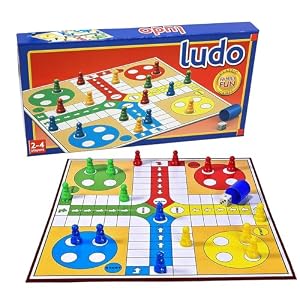

IDEAL Race Across the World Board Game | The Globe-Trotting Family Adventure Game! | For 2-6 Players Age 8+ | Based on The Hit BBC TV Show | Suitable for Kids & Adults | Race & Challenge Your Friends

Ideal | The 1% Club: The Board Game | Family Games | 3-6 Players | Ages 8+


Pup Go 4 in a Row Connect Board Game for Kids 3+, Family Games for Children



DTDF Gifts helps shoppers find thoughtful gift ideas for children, families and special occasions. Our guides compare suitable options by age, interests, occasion and budget to help make gift buying simpler and more informed.